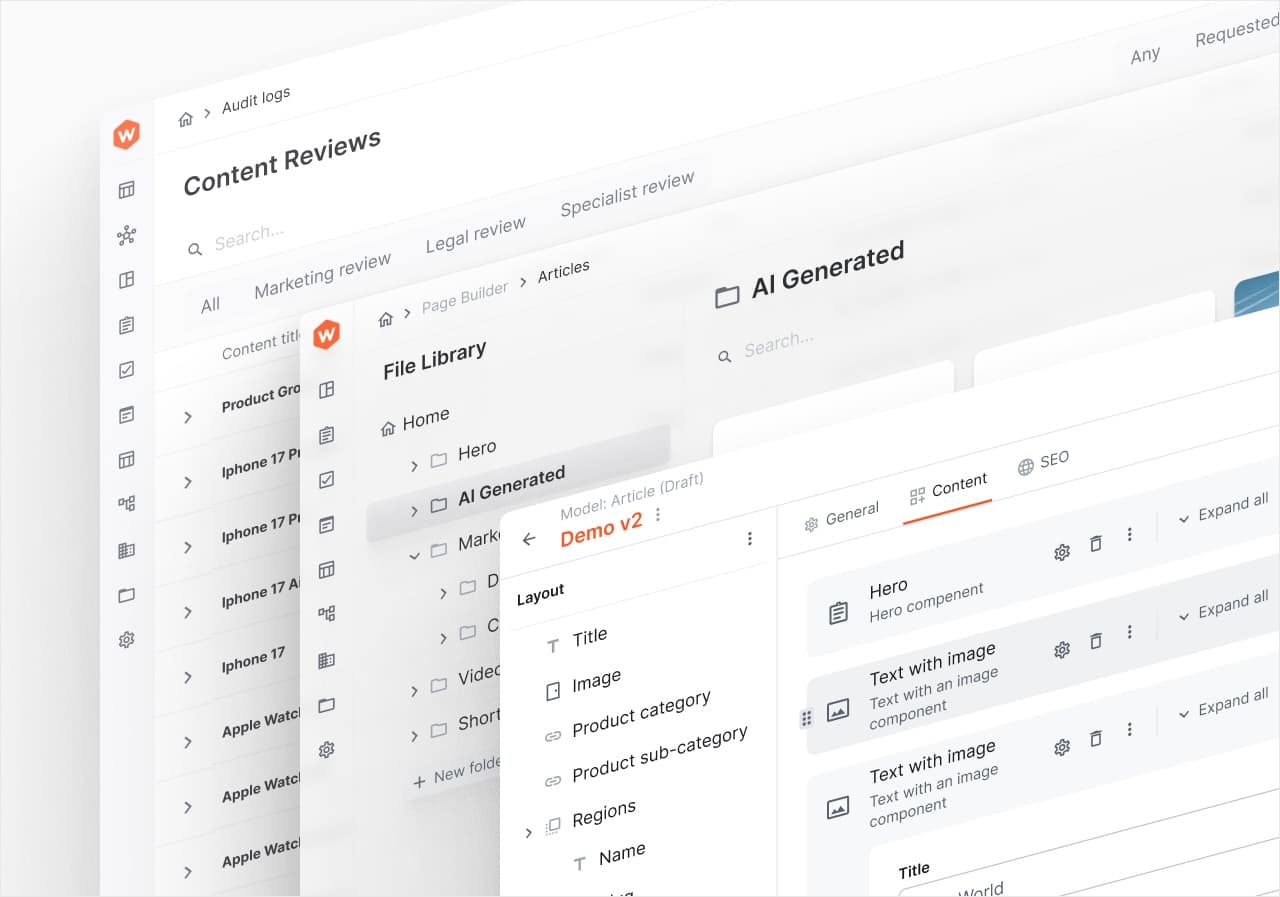
The future of enterprise software isn’t proprietary. It’s open source.
For years, enterprises gravitated toward SaaS products that promised fast setup, low maintenance, and built-in scalability. The appeal was clear: eliminate infrastructure concerns and let vendors handle complexity. But behind the convenience came trade-offs: reduced control, ballooning costs, limited customization, and a growing reliance on external roadmaps.
Today, we’re seeing a decisive shift. Enterprises are re-evaluating their software strategies, prioritizing control, adaptability, and long-term sustainability. At the center of this shift is open source. Not just because it’s cost-effective, but because it offers something far more valuable: freedom.
Open source isn’t just a software license. It’s a mindset. One that puts the enterprise back in control.
In the article below, I unpack the key reasons why enterprises are rethinking their software architecture, from avoiding vendor lock-in and meeting regulatory requirements to accelerating innovation through extensibility and customization. You'll also find real-world examples—from across the open source ecosystem and from our work at Webiny—highlighting how organizations are using these tools to modernize at scale.
1. The Growing Enterprise Demand for Control
Enterprises today face a growing list of regulatory, operational, and strategic pressures. Data privacy laws are evolving. Digital footprints are expanding. And CIOs are being asked to do more with less, all while ensuring resilience and scalability.
Open source addresses these pressures head-on. By opting for self-hosted, open-source platforms, enterprises regain full control over:
- Data residency and compliance: Decide where your data lives and how it’s protected.
- Security posture: Apply your own policies, testing, and monitoring across the stack.
- Software updates: Choose when and how updates are applied, avoiding surprise regressions.
This isn’t theoretical. It’s practical. Enterprises managing medical, financial, or sensitive PII data increasingly realize that entrusting all of this to a third-party SaaS vendor with a shared infrastructure model introduces risk. With open source, they maintain autonomy over every byte.
One example: GitLab has become a go-to alternative for enterprises looking to take control over their DevOps toolchain. By self-hosting GitLab, organizations can comply with internal security policies while customizing workflows and integrations at the source-code level.
Another example: A multinational healthcare provider using Webiny needed to meet strict GDPR and HIPAA requirements while managing localized content across multiple markets. By self-hosting Webiny, they retained full control over data residency, implemented country-specific access policies, and customized workflows to reflect internal compliance procedures—something not possible with their previous SaaS CMS.
2. Escaping the Trap of Vendor Lock-In
With proprietary SaaS, lock-in isn’t a bug. It’s a feature.
Enterprise software vendors know that once your data, workflows, and teams are embedded in their systems, switching becomes prohibitively expensive. That’s how pricing climbs 20% year-over-year while innovation slows.
Open source disrupts this dynamic. It gives enterprises:
- Code-level access: Modify, extend, or fork the product to suit your needs.
- Data portability: Migrate your data freely, with open formats and accessible APIs.
- Strategic leverage: You stay because it works, not because you’re stuck.
"With SaaS, the vendor competes on lock-in. With open source, they compete on capability."
One example: PostHog has gained traction as an open-source alternative to Mixpanel and Google Analytics, giving teams full control over analytics data while enabling deep custom tracking, without sending user data to third parties.
Webiny’s MIT-licensed framework ensures you always maintain control. We’ve seen customers use our APIs to build automated migration tools to mirror content between systems as part of gradual transitions, ensuring business continuity and eliminating downtime.
Another example: A financial services provider facing escalating SaaS licensing fees and platform inflexibility used Webiny to incrementally migrate critical publishing infrastructure. The transition was seamless, and the team retained full control of both infrastructure and editorial tooling, without the lock-in penalties they had grown used to.
3. Customization as a Competitive Advantage
In fast-moving markets, the ability to adapt is a superpower. Yet with most SaaS platforms, you’re boxed into rigid workflows and release schedules. Customizing even basic features can take months—if it’s possible at all.
Open source removes that ceiling. You don’t wait on a roadmap. You build your own. Enterprises can:
- Tailor features to their exact needs
- Accelerate time to market
- Innovate in response to real-time shifts
When COVID hit, many businesses needed to digitize offline services almost overnight. Those running customizable open-source stacks adapted quickly. Those locked into rigid SaaS systems waited.
Take Odoo, for example. As an open-source ERP, it allows enterprises to create entirely custom workflows and apps - without waiting for vendor approval or roadmap alignment.
At Webiny, we often see enterprises using our platform to build the final 20% of their ideal solution, without needing to reinvent the other 80%.
And because Webiny is released under an MIT license, you can customize every aspect of the system to fully match your needs - without restriction.
A notable case: A global logistics firm used Webiny’s extensible CMS to spin up a new distribution tracking portal across five regional markets in under eight weeks—an initiative that would have taken double the time using their legacy proprietary CMS.
4. Debunking the "Free Equals Risk" Myth
There’s a persistent myth that open source is risky because it’s "unsupported" or "not enterprise-ready." The reality couldn’t be further from the truth.
- Security: Open code means more eyes, faster patches, and peer-reviewed quality. Unlike proprietary "security by obscurity," open source is transparent by design.
- Reliability: Battle-tested in production across thousands of organizations, open-source projects often outperform closed alternatives.
- Support: Most modern open-source vendors offer commercial support, SLAs, onboarding, and training - just like any SaaS provider.
"Putting your code out in the open isn’t risky. It’s accountable."
Consider Supabase—a popular open-source Firebase alternative. Its transparent codebase allows security teams to audit the stack directly, and a fast-growing community ensures bugs and vulnerabilities are quickly surfaced and addressed.
At Webiny, we’ve had senior security engineers from global enterprises submit patches to our repo because they reviewed our code and wanted to improve it. That’s the power of the open community.
In 2023, a major proprietary CMS experienced a breach due to a zero-day vulnerability that went unreported for weeks. In contrast, open-source platforms like Webiny benefit from thousands of contributors who can identify and patch vulnerabilities rapidly. It’s a fundamentally more transparent—and therefore proactive—approach to security.
5. Commercial Open Source: The Best of Both Worlds
Somewhere between SaaS and DIY lies the sweet spot: commercial open source.
At Webiny, we deliver a self-hosted open-source CMS platform with enterprise-grade features, documentation, and a fully supported commercial offering. This hybrid approach offers:
- Out-of-the-box functionality for fast deployments
- Customizability for unique enterprise needs
- Support and SLAs for peace of mind
"We give you the SaaS experience, but with the freedom to build and scale on your terms."
This model aligns incentives. We succeed when you succeed. Not when you’re stuck.
Webiny’s commercial open-source model offers full-featured onboarding and SLAs with enterprise-grade support, yet leaves every aspect of infrastructure, data, and customization in your hands. It’s a low-risk way to scale with confidence while staying in control.
Webiny also brings tangible operational value:
- 39% reduction in IT infrastructure spend due to serverless, pay-per-use architecture.
- 60% lower total cost of operations over five years compared to legacy systems.
- 33% average increase in developer productivity by eliminating infrastructure headaches.
- 76% faster development life cycles, getting new features and apps to market faster.
- 71% average decrease in unplanned downtimes, protecting revenue at peak moments.
- 14% reduction in time to resolve security incidents, thanks to automated patching and modern infrastructure.
One customer, a national broadcaster, migrated to Webiny during a major replatforming. Their team was able to launch new apps in half the time it took on their previous CMS, with infrastructure scaling effortlessly to support peak-time streaming traffic.
Another enterprise client in e-commerce used Webiny to rapidly test and deploy localized microsites for seasonal campaigns. The team reported a 3x faster go-to-market time compared to their previous monolithic CMS.
6. Open Source as a Strategic Imperative
A new generation of enterprise leaders is prioritizing open ecosystems. Why?
- Developers want it: They prefer tools they can inspect, extend, and trust.
- Procurement mandates it: Many RFPs now include open-source preference clauses.
- Innovation demands it: Community-driven projects evolve faster than vendor silos.
It’s no longer just about cost. It’s about control. Culture. Competitive edge.
From Kubernetes to Kafka to Odoo—and yes, Webiny—open source is powering mission-critical infrastructure at Fortune 500 companies every day. The stigma is gone. The upside is obvious.
This shift mirrors how industries evolve: from bundled to composable, from opaque to transparent, from vendor-led to customer-driven. Enterprises don’t just want to consume software—they want to shape it.
Conclusion
Open source isn’t just a technical choice. It’s a business strategy.
It gives enterprises:
- The freedom to innovate
- The control to secure their data
- The flexibility to evolve faster than competitors
It’s how you avoid vendor stagnation, reduce lock-in risk, and build software on your own terms.
"The future of enterprise software won’t be owned. It will be open."
At Webiny, we’re proud to be part of that future. A future that’s more scalable, more secure, and more cost-efficient.
In the next five years, we expect composable architectures—powered by open-source platforms—to become the default for enterprises seeking agility and innovation. These systems will no longer be fringe or experimental. They will be mainstream, mission-critical, and the foundation for the next era of digital transformation.
The shift is happening. Enterprises are beginning to ask: What’s our open-source strategy? Not if—but when. The only question is: Are you ready to lead it?
Frequently Asked Questions
What are the main benefits of using open source in enterprise software?
Open source gives enterprises control over their data, infrastructure, and product roadmap. It reduces costs, eliminates vendor lock-in, allows deep customization, and improves agility and security through transparent code and community-driven development.
How does open source help with data compliance and security?
With open-source, enterprises can self-host platforms, control data residency, and apply their own security protocols. This is especially important for industries with strict regulatory requirements like healthcare and finance.